

What is a Bank Guarantee?
A bank guarantee is an assurance that a bank provides to a contract between two external parties, a buyer and a seller, or in relation to the guarantee, an applicant and a beneficiary. The bank guarantee serves as a risk management tool for the beneficiary, as the bank assumes liability for completion of the contract should the buyer default on their debt or obligation. One can also say that a bank guarantee is a commitment from a financial institution to cover financial obligations if a party in a transaction defaults.
This instrument is crucial in fostering trust and facilitating transactions such as acquiring goods, buying equipment, or engaging in international trade, especially outside the United States. Should the client fail to meet the contract’s terms, the bank steps in to ensure financial coverage, protecting both parties involved.
| SUMMARY A bank guarantee is a commitment made by a financial institution to pay one party if the other party fails to meet their contractual obligations. Bank guarantees support businesses by enabling them to purchase goods, participate in global trade, and improve cash flow since they reduce the level of risk in transactions. Bank guarantees generally fall into two categories: tender guarantees, which safeguard buyers when suppliers fail to meet contract requirements, and performance guarantees, which ensure that the duties outlined in a contract are carried out. |
How a Bank Guarantee Works?
A bank guarantee functions as a structured system designed to provide financial protection. The bank guarantee mechanism includes multiple stages which extend from application submission through to payment processing or fulfillment execution. The following section outlines the essential stages of its functioning:
1. Application: The applicant requires a guarantee from their bank in order to proceed with the application. The appropriate paperwork is submitted by them. The bank will have a look at the request.
2. Bank Assessment: The bank conducts creditworthiness evaluations of the applicant. After evaluating financial status and historical transaction records of the applicant the bank proceeds with their assessment. Progress in the application process begins after candidates satisfy all established conditions.
3. Issuance of Guarantee: The bank issues the guarantee. The document specifies that the bank must make payment when the applicant defaults on their obligation. The issued guarantee stays active during its predetermined time frame.
4. Obligation Fulfillment: Once the applicant fulfills their obligation the guarantee becomes void. When the applicant does not meet their obligation the bank becomes responsible for payment to the beneficiary.
5. Bank Recovery: The bank retrieves the paid sum from the applicant once payment has been executed. The bank regains funds by utilizing either securities deposited or other ways of financial recovery. Also, Get to Know the Role of Cyber Security in Data Privacy
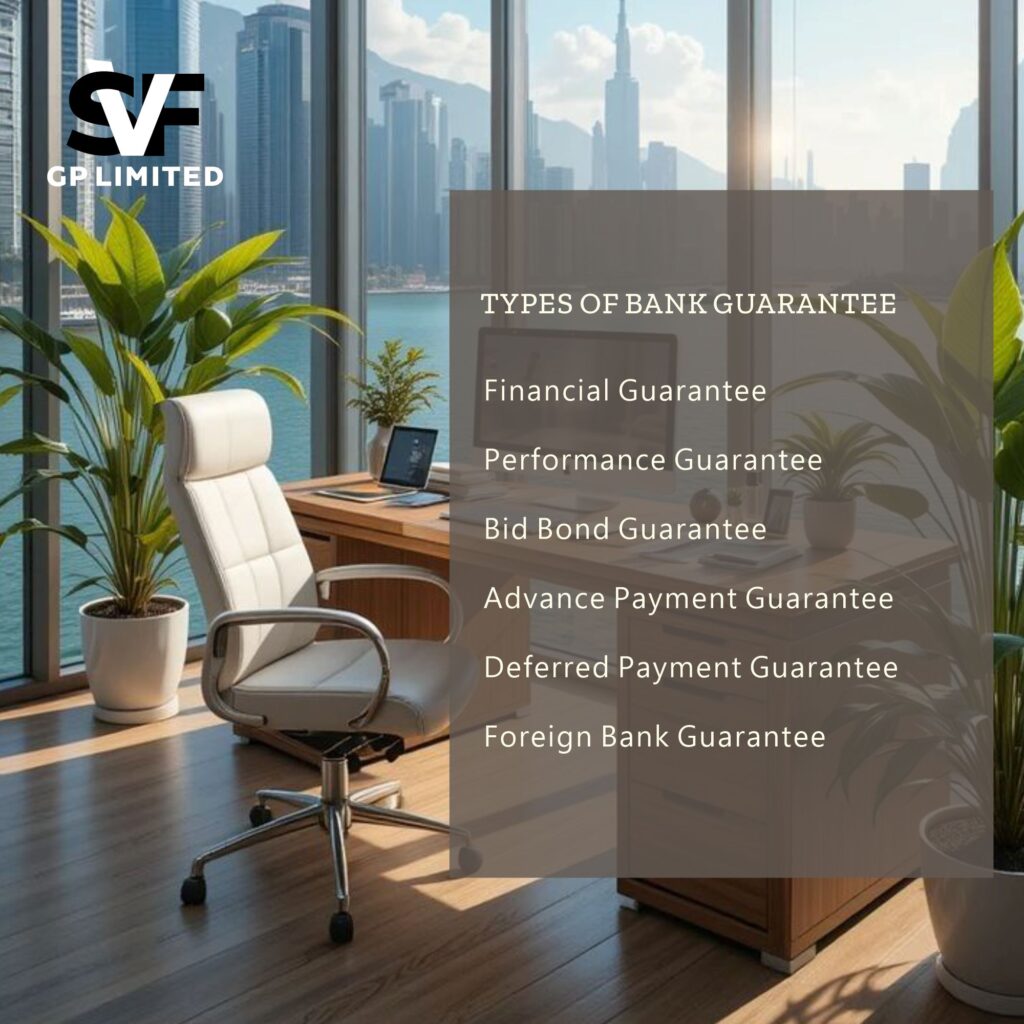
Types of Bank Guarantees
1. Financial Guarantee
Through its financial guarantees the bank commits to repay the borrower’s loan or debt obligations. The bank fulfills the payment obligation to the lender when the borrower fails to meet their payment duties. Large transactions frequently involve this form of guarantee.
2. Performance Guarantee
Through its performance guarantee the bank makes sure that the project or contract reaches completion based on the agreed terms. The bank provides compensation to the other party when the applicant fails to meet requirements. Construction and service contracts commonly use this type of guarantee.
3. Bid Bond Guarantee
Tenders and bidding procedures require the use of this particular bond guarantee. The bid bond guarantee ensures the selected bidder will finalize the contract with a signature. Should the bidder withdraw from the tender process the bank provides compensation to the tendering authority.
4. Advance Payment Guarantee
The buyer gives an upfront payment to the seller in advance. The guarantee safeguards the buyer by ensuring the seller fulfills their delivery obligations. When the seller fails to deliver as promised the bank will return the advance payment to the buyer.
5. Deferred Payment Guarantee
This guarantee is used in trade finance. The guarantee makes certain that the buyer makes installment payments according to the agreed terms. The bank assumes responsibility for payment if the buyer fails to pay.
6. Foreign Bank Guarantee
It is used in international transactions. Businesses use it to successfully achieve agreements with international buyers. This guarantee protects the financial interests of international buyers and sellers. Also, Get to Know the Performance Guarantee Vs Financial Guarantee
click here to read about bank guarantee providers
Real-world case
United States — Solar EPC Performance Guarantee
A mid-size solar EPC company in Arizona won a $15 million municipal solar project. The city required a 10% performance guarantee. The company’s bank issued a $1.5 million performance guarantee under URDG 758. The guarantee gave the city comfort to award the contract. The project closed on time, and the guarantee expired 30 days after final acceptance.
Bank Guarantee vs LC
What is an LC?
An LC is a contract via a bank that helps guarantee the payment of a supplier as long as the supplier meets the conditions agreed upon in the LC. In an LC, the buyer and seller will enter a sales contract, and the buyer (importer) will apply for a letter of credit with their bank (issuing bank), which will be sent to the supplier’s bank (advising bank).
If accepted, the supplier will deliver goods that meet the requirements and standards made out in the LC and will send confirming documents to their advising bank. The advising bank will pass this on to the issuing bank, and the buyer will examine and honor or refuse payment.
| Bank Guarantee (BG) | Letter of Credit (LC) |
| A BG protects the buyer. | An LC protects the seller. |
| The bank pays only if the buyer defaults on their contractual obligations. | The bank pays the seller as long as they provide the required documents, regardless of what happens between buyer and seller. |
| It is a secondary obligation — the bank steps in after a failure occurs. | It is a primary obligation — the bank pays directly once conditions are met. |
| Common in construction, real estate, performance contracts, and tenders. | Common in international trade and goods shipment. |
To make is simpler; A BG acts as a safety net if the buyer fails to perform, while an LC ensures the seller gets paid once they meet the document requirements.
Advantages and Disadvantages of Bank Guarantees
Bank guarantees offer several key benefits for businesses:
- Low Cost: Banks typically charge only 0.5%–1% of the guaranteed amount, making BGs a cost-effective way to boost creditworthiness.
- Improved Cash Flow: Sellers often waive advance payments when a BG is in place, helping buyers preserve working capital and reduce operating costs.
- Quick and Simple Process: Once due diligence is completed, banks can issue guarantees within days, making the process faster than many traditional lending options
However, bank guarantees also have limitations:
- Not Easy to Obtain for Weak Businesses: Companies with poor or unstable financials may struggle to qualify.
- Collateral May Be Required: Many banks demand substantial security, which can be difficult for smaller firms to provide.
- Regulatory Barriers: In regions with strict rules or past fraud cases, obtaining BGs can involve heavy compliance steps, discouraging both banks and businesses.
Overall, the advantages outweigh the downsides, which is why bank guarantees remain widely used across global business sectors.
Conclusion
Bank guarantees remain one of the most powerful tools for reducing financial risk in global and domestic transactions. international trade, these instruments build trust between parties and enable large, high-value contracts to move forward with confidence.
The process of obtaining a bank guarantee can seem complex at first — requiring careful preparation, documentation, and sometimes collateral — but once in place, it provides businesses with credibility, better cash flow management, and access to new opportunities. Small and medium enterprises, in particular, benefit from the signaling effect of a bank guarantee, as it demonstrates financial reliability to partners, investors, and governments.
Looking to secure a reliable bank guarantee or explore trusted trade-finance solutions? SVF GP LTD provides expert guidance and access to genuine financial instruments backed by strong banking partners. We specialize in structured project finance, SBLCs, Bank Guarantees, and monetization programs, helping investors and developers achieve their funding goals securely and efficiently.
Contact: StructuredFinance@svfgpltd.com
Visit: www.svfgpltd.com
Strengthen your transactions with confidence — partner with SVF GP LTD today.
Pingback: Top Bank Guarantee Providers for Import & Export Businesses - SVF GP – SBLC, Bank Guarantees & Finance Experts
Pingback: Principais fornecedores de garantia bancária para empresas de importação e exportação - SVF GP – SBLC, Bank Guarantees & Finance Experts